|
|
|
|
Thu, 01 Oct, 2026
|

|
|

Pay as you go
No monthly charges. Access for the price of a phone call
Go>
Unmetered
Flat rate dialup access from only £4.99 a month Go>
Broadband
Surf faster from just £13.99 a month Go> |
Save Even More
Combine your phone and internet, and save on your phone calls
More Info> |
This weeks hot offer
 24: Series 5
In association with Amazon.co.uk £26.97 |
|
|
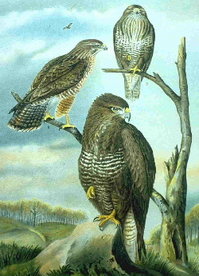
? Common Buzzard |
|
| Scientific classification |
|
|
|
|
|
|
Buteo buteo
( Linnaeus, 1758) |
|
|
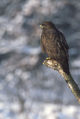
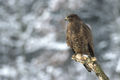
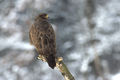
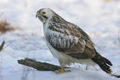
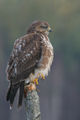
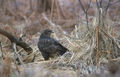
The Common Buzzard (Buteo buteo) is a bird of prey from the Old World. It is typically between 51-57 cm in length with a 110 to 130 cm wingspan, making it a medium-sized raptor. Its range covers most of Europe and extends into Asia. It is resident except in the coldest parts of its range.It breeds in woodland, but usually hunts over open land. It eats mainly small mammals, and will come to carrion.Buzzards are the largest bird of prey to be found in most of England. They are increasing their range in Great Britain, and spreading east from their former western strongholds.Buzzards do not normally form flocks, but several may be seen together on migration or in good habitat. The Victorian writer on Dartmoor, William Crossing, noted that he had on occasions seen flocks of 15 or more at some places.This broad-winged raptor has a wide variety of plumages, and in Europe can be confused with the similar Honey Buzzard (Pernis apivorus) and Rough-legged Buzzard (Buteo lagopus).The call is a plaintive peea-ay.
In North America, the term " buzzard" refers solely to vultures, and in particular the Turkey Vulture (Cathartes aura). The term "buzzard" only applies to birds of prey when intended as a derogatory epithet, specifically for raptors that are considered pests, such as the Red-tailed Hawks and Peregrine Falcons.
 Gallery - Contents Gallery - Contents
|
Change Text Size:
[A]
[default]
[A] |



 |
|
|
|
|