|
|
|
|
Tue, 15 Sep, 2026
|

|

|
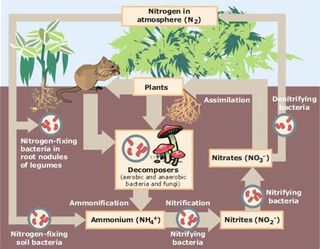
Nitrogen fixation is the process by which nitrogen is taken from its relatively inert molecular form (N2) in the atmosphere and converted into nitrogen compounds useful for other chemical processes (such as, notably, ammonia, nitrate and nitrogen dioxide).Nitrogen fixation is performed naturally by a number of different prokaryotes, including bacteria, and actinobacteria certain types of anaerobic bacteria. Many higher plants, and some animals (termites), have formed associations with these microorganisms.
 Jump to Page Contents Jump to Page Contents
|
|

Pay as you go
No monthly charges. Access for the price of a phone call
Go>
Unmetered
Flat rate dialup access from only £4.99 a month Go>
Broadband
Surf faster from just £13.99 a month Go> |
Save Even More
Combine your phone and internet, and save on your phone calls
More Info> |
This weeks hot offer
 24: Series 5
In association with Amazon.co.uk £26.97 |
|
Contents
Biological Nitrogen Fixation
Leguminous nitrogen-fixing plants
Non-leguminous nitrogen fixing plants
Chemical nitrogen fixation
Biological Nitrogen Fixation - Contents
Biological Nitrogen Fixation (BNF) occurs when atmospheric nitrogen is converted to ammonia by a bacterial enzyme called nitrogenase. Microorganisms that fix nitrogen are called diazotrophs. The formula for BNF is:
- N2 + 8H+ + 8e- + 16 ATP → 2NH3 + H2 + 16ADP + 16 Pi
Although ammonia (NH3) is the direct product of this reaction, it is quickly ionized to ammonium (NH4+). In free-living diazotrophs, the nitrogenase-generated ammonium is assimilated into glutamate through the glutamine synthetase/glutamate synthase pathway. Biological nitrogen fixation was discovered by the Dutch microbiologist Martinus Beijerinck.
Leguminous nitrogen-fixing plants - Contents
The best-known are legumes (such as clover, beans, alfafa and peanuts,) which contain symbiotic bacteria called rhizobia within nodules in their root systems, producing nitrogen compounds that help the plant to grow and compete with other plants. When the plant dies, the nitrogen helps to fertilize the soil. The great majority of legumes have this association, but a few genera (e.g., Styphnolobium) do not.
Non-leguminous nitrogen fixing plants - Contents
Plants from many other families have similar associations, including:
-
Lobaria lichen and some other lichens
-
Mosquito fern (Azolla species)
-
Cycads
-
Gunnera
-
Alder (Alnus species)
-
Ceanothus (Ceanothus species)
-
Wax myrtle (Myrica species)
-
Mountain-mahogany (Cercocarpus species)
-
Bitterbrush (Purshia tridentata)
-
Buffalo berry (Shepherdia argentea)
-
Ironwood (Casuarina species), Sheoak (Allocasuarina species), and other genera in the Casuarinaceae
Chemical nitrogen fixation - Contents
Nitrogen can also be artificially fixed for use in fertilizer, explosives, or in other products. The most popular method is by the Haber process. Artificial fertilizer production has achieved such scale that it is now the largest source of fixed nitrogen in the Earth's ecosystem. |
Change Text Size:
[A]
[default]
[A] |



 |
|
|
|
|